
Estate Planning · Sherman Oaks, CA
Estate Planning Attorney in Sherman Oaks, California
Plan for the people, property and decisions that matter most.
Siena M. Martinez, Esq.

Serving Greater Los Angeles and Ventura County from Sherman Oaks, with remote estate planning throughout California and signing appointments available throughout Southern California, including San Diego.
Why it matters
Estate planning helps protect the people & decisions that matter most
A thoughtful estate plan can help clarify who may step in if you need support, how important decisions should be handled, and how you want your assets and responsibilities managed over time.
Siena M. Martinez, Esq.
During your lifetime
Choose the people who may act for you if you cannot, and put your wishes in writing while you can still explain them.
- Financial decisions and everyday bills
- Healthcare decisions and care preferences
- The people you trust with each role
Planning for the future
Leave instructions for your property and the people who depend on you, and organize what someone will need in order to carry them out.
- Who receives your property, and how
- Your wishes for your family and minor children
- Who is responsible, and what they will need
One coordinated plan
Your estate plan may include more than one document.

01 Property & continuity
Living Trusts

02 Instructions & wishes
Wills

03 Financial decisions
Financial Powers of Attorney

04 Healthcare decisions
Advance Health Care Directives
Is this for me?
Estate planning can become especially important when life changes.

Siena M. Martinez, Esq.
You own a home
You have children
You are married or building a life with a partner
A shared home, a second marriage or a blended family raises questions about what each of you would want, and for whom.
You want someone you trust to handle decisions if you cannot
You already have a plan that may need updating
A common question
Do I need a will or a living trust?
Instructions after death
A will
- Written instructions that take effect after your death
- Nominates an executor, and can document your wishes for minor children
- Works alongside a trust to catch anything left outside it
- Property passing under a will generally goes through probate in California
Management during life and beyond
A living trust
- Takes effect during your lifetime, and can hold your home, accounts and other assets
- Names a successor trustee to step in if you cannot act, and after your death
- Keeps the details private rather than part of a court file
- Assets properly transferred to the trust can generally pass outside formal probate

Siena M. Martinez, Esq.
Your home
Estate planning for California homeowners
Creating a trust and funding it are two different steps. A signed trust document alone does not put your home in the trust. The deed that transfers it is part of the plan.
Your family
Estate planning for parents
Selecting care for your children
Managing what you leave them
A plan can say how assets set aside for children are held, who manages them, and when they are distributed. If a minor child inherits money or property outright, a guardianship of the estate may be necessary because a minor cannot legally manage those assets. This can mean a court-appointed guardian, continued court oversight, periodic accountings, possible attorney fees, and added expenses that reduce the funds available to the child. The inheritance generally becomes available to the child outright when they reach adulthood.
A trust can help avoid this. The child’s inheritance stays in trust, a trustee manages it outside the guardianship-of-the-estate process, and you decide how and when distributions occur, including specific ages or milestones. For parents of minor children, this is an important reason to consider trust planning.
Choosing the right people

Siena M. Martinez, Esq.
During your lifetime
Planning for decisions during your lifetime.
Financial decisions
Financial power of attorney
Names the person who may handle banking, bills, property and other financial matters on your behalf, under the circumstances the document sets out. Without one, your family may need to ask a court for authority before anyone can act.
Healthcare decisions
Advance health care directive
Names who may make medical decisions if you cannot make or communicate them yourself, and records your instructions about the care you would and would not want. Sharing those wishes with the person you choose helps them carry the decision.
Prepared as part of your estate plan.
If you do nothing
What happens if you do not have an estate plan?
Without an operative plan, California law decides who receives property that passes through probate, following a fixed order of relatives rather than your wishes. Your family has fewer written instructions to follow, decisions during a period of incapacity can become more complicated, and probate or another court proceeding may be needed depending on what you own and how it is titled.
Furthermore, if you become incapacitated during your lifetime, your loved ones may have no choice but to ask the court for authority to manage your affairs, likely through a conservatorship proceeding.
Siena M. Martinez, Esq.
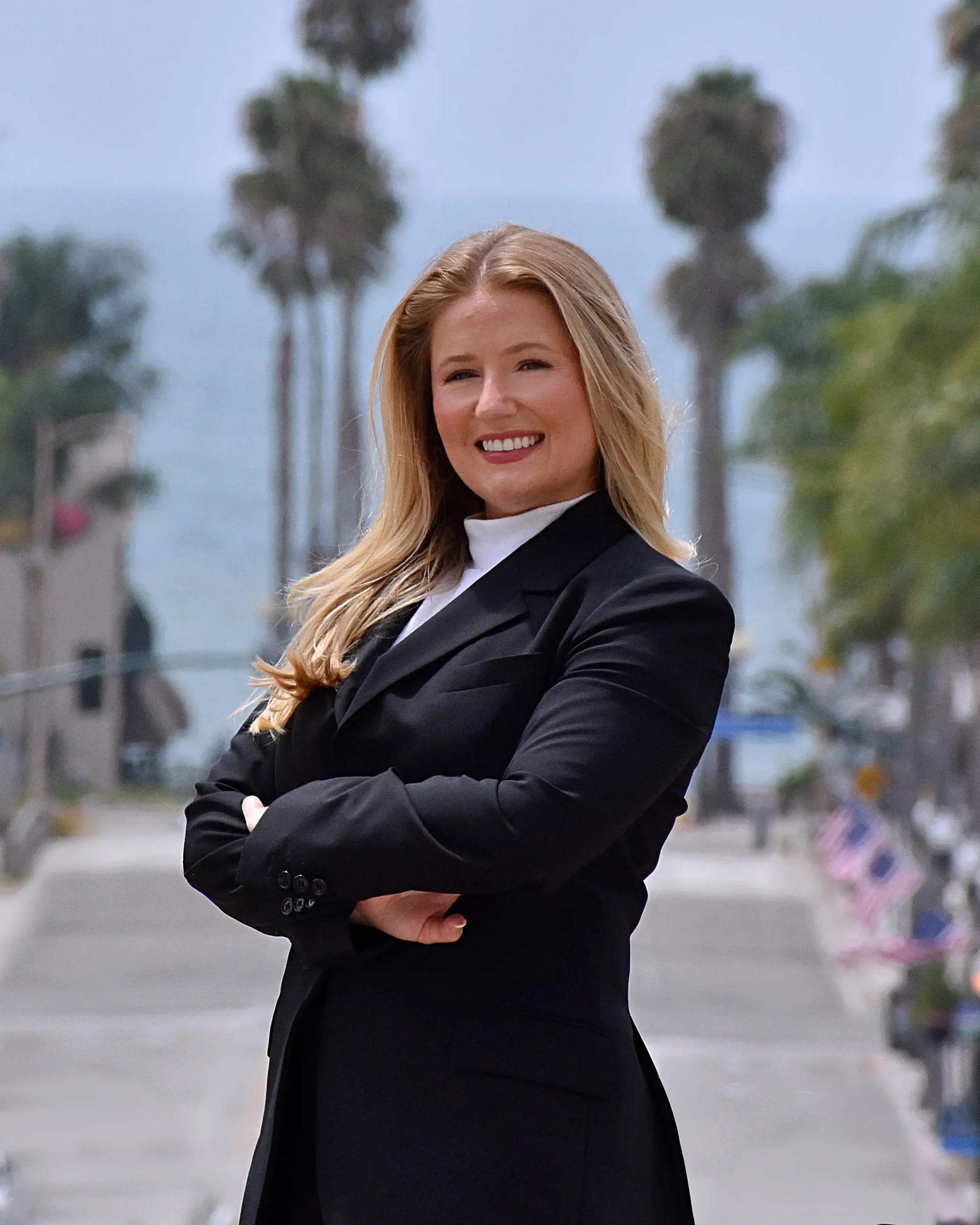
Siena M. Martinez, Esq.
Working with Siena
Estate planning informed by experience with trust and estate disputes.
What to expect
What to expect when you work with Siena.
Siena M. Martinez, Esq.
Start with a consultation
Identify the right structure
Prepare and review the plan
Finalize the plan
Questions
Estate planning FAQs
Siena M. Martinez, Esq.
Do I need an estate plan if I already have a will?
Do I need a living trust if I own a home in California?
What is the difference between a will and a living trust?
What happens if I become unable to manage my financial affairs?
Can an estate plan address healthcare decisions?
When should I update my estate plan?
Can Siena review or update an existing estate plan?
A clear place to begin
Start planning with confidence
You do not need to work out on your own whether you need a will, a living trust, a power of attorney or some combination before reaching out. That is what the consultation is for: a conversation about your family, your property, your goals and your concerns.
Sherman Oaks office · Remote meetings throughout California · 805-552-6896