Home / Services / Probate

Probate Administration · California

California Probate Administration Services

Practical legal guidance for executors, personal representatives, and families navigating probate.

When a loved one dies, the legal and administrative responsibilities can feel difficult to sort through. Siena Law helps clients determine what the estate requires, understand each step of the California probate process, and move the administration forward with clear, direct attorney guidance.

Siena M. Martinez, Esq.

Founder & President, Siena Law, P.C.
Senior couple smiling at each other while signing documents at a table

Based in Sherman Oaks and serving clients throughout Los Angeles and Ventura Counties, with probate administration services available across California. 805-552-6896

Where you may be

You are handling a loved one’s estate and are not sure what needs to happen next

Most people arrive here from one of these starting points. None of them decides on its own whether a court case is needed.
Close-up of a senior adult writing on a document with a pen

Siena M. Martinez, Esq.

Founder & President, Siena Law, P.C.
01

You were named executor in a will.

Being named is a nomination. Authority to act generally follows court appointment, so the first question is whether that appointment is needed.
02

There is a will, but no trust that you know of.

A will guides who receives probate property. It does not, by itself, decide whether formal probate is required.
03

There is no will.

California law sets out who inherits probate property, and a court can appoint an administrator to handle the estate.
04

A home is still titled in the person's name.

What matters is how the deed reads and whether anyone else is on title, not simply that the owner has died.
05

You are not sure how the assets are titled.

That is normal. Deeds, account statements and beneficiary forms answer most of it.
06

You do not know whether a court case is actually necessary.

Often only part of the estate does. Some property passes outside probate, some may qualify for a simplified procedure, and some needs the court.

The first question

Do you need probate in California?

Not every estate does. Whether formal probate is required depends on how each asset is held and how it passes, not on whether there is a will. Look at the property first.

Siena M. Martinez, Esq.

Founder & President, Siena Law, P.C.

How property may pass after a death

01

Property held in a living trust

Assets properly transferred to a living trust are generally administered by the successor trustee under its terms, without a court running the process.
02

Beneficiary designations and survivorship title

Retirement accounts, life insurance and accounts with a named beneficiary, and property held with a right of survivorship, generally pass directly to the named person or surviving co-owner.
03

Smaller estates and surviving spouses

California provides simplified procedures for some estates, and for certain property passing to a surviving spouse or registered domestic partner, depending on the type and value of the property and the date of death.
04

Property with no other way to pass

Whatever remains in the person’s name alone, with no trust, beneficiary or survivorship arrangement and no simplified procedure, is what formal probate is for.

Do not begin by assuming probate. Begin by finding out how each asset actually passes.

The court process

What probate means in California

Formal probate is a court-supervised process for administering a person’s probate estate: appointing a personal representative, identifying and managing the property, giving required notices, addressing valid debts and expenses, and distributing what remains to the people entitled to it. It differs a little depending on whether there is a will.

Siena M. Martinez, Esq.

Founder & President, Siena Law, P.C.
01

Probate with a will

The court appoints an executor

A will names who should receive probate property and nominates an executor. The court decides whether the will is valid and, if it is admitted, generally appoints the nominated executor. The will guides who receives what; it does not decide whether probate was needed.
02

Probate without a will

The court appoints an administrator

When there is no will, California’s intestate succession rules determine who inherits probate property, in a fixed order of relatives. The court appoints an administrator, chosen under a statutory order of priority, to serve as personal representative.
Executor or administrator, the person the court appoints is the estate’s personal representative, and the responsibilities are the same.

What happens

What happens during a California probate

A general shape, not a checklist. Every estate moves through these stages differently, and one that qualifies for a simplified procedure skips most of them.

Siena M. Martinez, Esq.

Founder & President, Siena Law, P.C.
01

Determine the right process

Gather the will, any trust, deeds, account statements and beneficiary forms, and work out how each asset passes. This is where a full probate is confirmed or ruled out.
02

Petition the court and seek appointment

Where formal probate is needed, a petition is filed, notice is given, and the court holds a hearing to appoint the personal representative and issue the authority to act.
03

Identify, protect and value the property

The personal representative takes control of the assets, keeps them insured and maintained, and has them inventoried and appraised as the court requires.
04

Administer, then distribute and close

Required notices go out, valid debts and expenses are addressed, tax filings are handled as needed, and the estate is accounted for and distributed under a court order.
The right process depends on the assets, how they are titled, the estate documents, the date of death and other facts. This overview is general information, not legal advice.

Your role

If you were named executor, or expect to be appointed

Being named executor can feel like being handed a job without instructions. It is an important role, and it can be organized into three kinds of work.

Siena M. Martinez, Esq.

Founder & President, Siena Law, P.C.

Safeguard

Protect

Carry out

Administer

Keep track

Document

Much of what representation adds is order: what needs attention now, what comes later, what must be filed, and where an issue deserves careful analysis first.

Family gathered for hugs on the front porch of a home

Siena M. Martinez, Esq.

Founder & President, Siena Law, P.C.

Real property

What happens to the family home?

A house is often the asset families worry about most. It does not go through formal probate simply because its owner died. How the deed reads, whether it was held in a trust, whether anyone else is on title with survivorship, and whether a simplified procedure applies all come first.
If the house is part of a probate estate, it does not automatically have to be sold. It may be maintained for now, transferred to the people entitled to it, or sold, depending on the estate’s obligations, what the heirs or beneficiaries want, and the authority the court has given the personal representative.
Two questions come before any decision about the house: is it part of the probate estate, and what authority does the personal representative have? I help answer both before anything is listed, transferred or signed.

Working with Siena

How Siena helps with probate administration

Probate representation should be more than preparing forms. This is what I do, from the first question to the closing of the estate.
01

Before anything is filed

I start with the documents and the assets, not with the assumption that a probate is needed.
02

Through administration to closing

Where probate is needed, I run the process with you from petition to final distribution.
You work with me directly: I review the documents, answer your questions and handle the court filings.

Siena M. Martinez, Esq.

Founder & President, Siena Law, P.C.
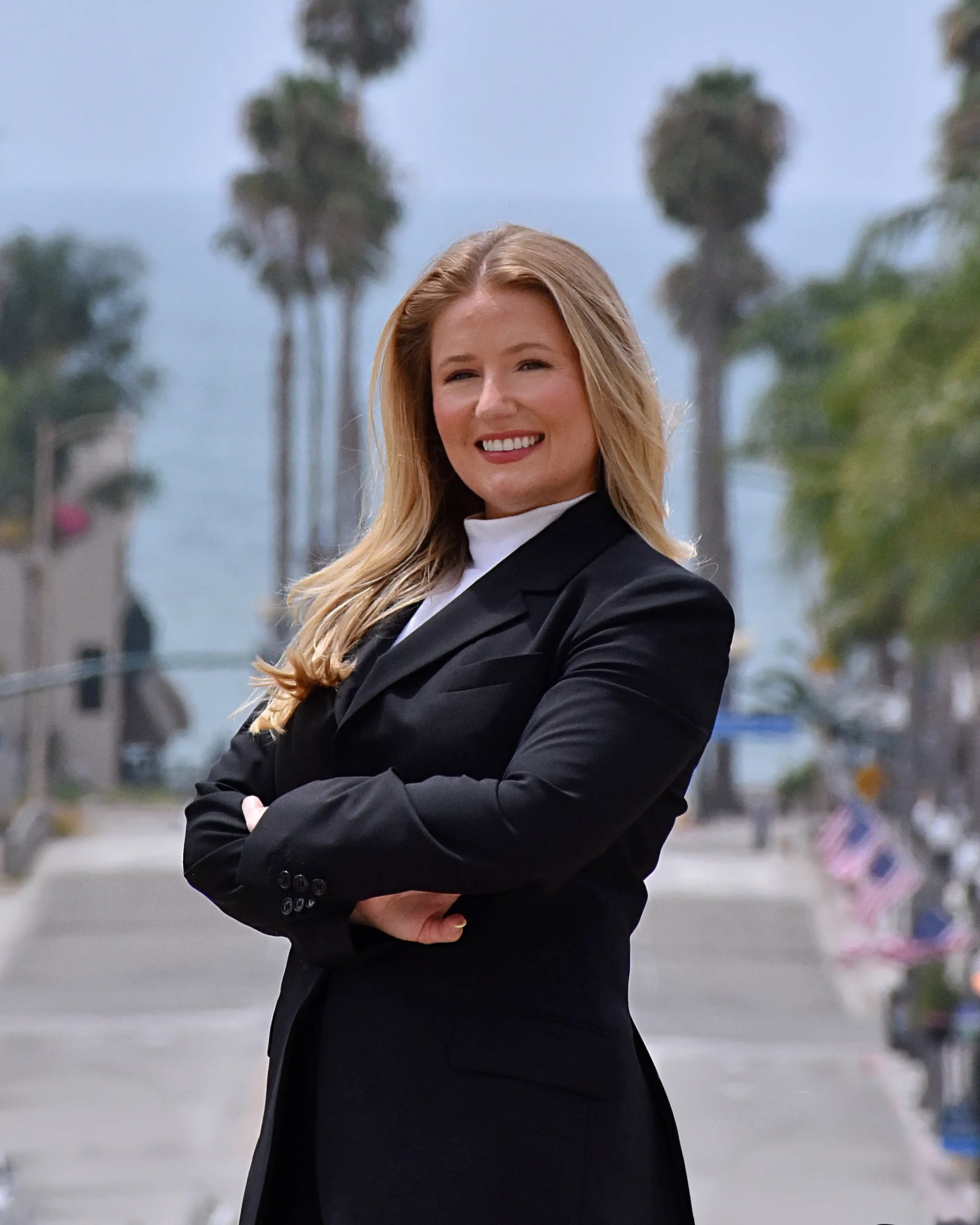
Siena M. Martinez, Esq., attorney at Siena Law, P.C., on a palm-lined street in Southern California

Siena M. Martinez, Esq.

Founder, Siena Law, P.C. · California State Bar No. 351791

Perspective

Probate guidance informed by experience with trust and estate disputes

Before founding Siena Law, I spent nearly three years in trust and estate litigation, working on estates after something had gone wrong: a document that left a question open, a fiduciary unsure of the rules, beneficiaries who felt left out.
That background is a lens, not a service. It helps me recognize early which questions in an administration deserve careful attention. Most probates are never contested, and no attorney can promise a family will not disagree. What I can offer is an orderly process, run by someone who has seen where the harder questions come from.

Which page do you need?

Probate administration or trust administration?

If the person had a living trust, the next step may be trust administration rather than probate, or the estate may involve both. Assets left outside the trust still need their own answer.

Siena M. Martinez, Esq.

Founder & President, Siena Law, P.C.

The court process

Probate administration

Under the trust

Trust administration

Questions

California probate FAQs

Short answers to the questions I hear most from executors and families.

Siena M. Martinez, Esq.

Founder & President, Siena Law, P.C.
Start by looking at the property. Assets properly held in a trust, accounts with a beneficiary designation and property held with survivorship generally pass outside probate, and some estates qualify for a simplified procedure. What remains in the person’s name alone is what formal probate is for. One review of the documents usually tells me where an estate stands.
No. A will directs who receives probate property and nominates an executor, but whether probate is needed depends on how the assets are owned and pass. Some estates with wills transfer partly or entirely outside probate; others need the court even though the will is clear.
California’s intestate succession rules decide who is entitled to inherit probate property, following a fixed order of relatives, and the court appoints an administrator to serve as personal representative.
There is no reliable universal answer. Formal probate involves court scheduling, statutory notice and claim periods, and steps that cannot be rushed, so it is measured in months rather than weeks, and estates with property to sell, tax questions or disagreements take longer. Once I know the estate, I can set a realistic expectation.
California allows it, and the courts publish self-help materials. A personal representative also takes on real procedural and fiduciary responsibilities, with deadlines and formalities that are easier to meet the first time than to correct later. Whether representation is worth it depends on what the estate holds, who the beneficiaries are, and whether anything about it is likely to be complicated.
First, find out whether the house is actually a probate asset: title, trust ownership and survivorship come before anything else. If it is, it may be maintained, transferred or sold depending on the estate and the personal representative’s authority. Nothing about probate requires the house to be sold. More on the family home.
Property properly held in the trust is generally administered by the successor trustee under its terms, without probate. Property left outside the trust has to be looked at separately, and some estates involve both. If you are the successor trustee, start with trust administration.

A clear place to begin

Get clear on your next steps in probate

Start with what you have: the will, what you know about the property, and your questions. I can review the documents, explain what your role requires, and help set the administration in order.

Sherman Oaks office · Remote & in-person meetings throughout California ·        805-552-6896