
Trust Administration · California
Guidance for California Successor Trustees
There is a trust, and now it is yours to carry out.
Siena M. Martinez, Esq.

Where you may be
You may be here because a trust has become your responsibility
Most successor trustees arrive with several of these. None of them means something has gone wrong.
Siena M. Martinez, Esq.
A parent or family member recently died.
You were named successor trustee.
You found the trust documents but do not know what happens next.
The trust owns a home or other property.
Beneficiaries are already asking questions.
You are not sure which assets are actually in the trust.
You are worried about making a mistake.
You are not sure whether probate is also needed.
The process
What trust administration means
Trust administration is the work of carrying out a living trust after the person who created it has died: confirming who is authorized to act, protecting what the trust owns, meeting the obligations that apply, keeping beneficiaries informed, and distributing the property as the document directs.
Siena M. Martinez, Esq.
What it may involve
- Reviewing the trust and any amendments
- Confirming who is authorized to act as trustee
- Identifying what the trust owns and how it is titled
- Protecting and managing trust property
- Giving the notices that apply
- Keeping records of everything received and paid
- Addressing expenses, debts and tax coordination
- Communicating with beneficiaries
- Making distributions when the trust and the circumstances allow
- Documenting and completing the administration
No two trusts are administered identically. The document, the assets and the family decide the shape.
Your role
What a successor trustee is responsible for
A trustee is a fiduciary: someone who manages property for the benefit of others. The responsibilities are real and well defined, and they fall into four kinds of work.
Siena M. Martinez, Esq.
The document
Understand
- Read the trust and follow its terms
- Confirm your authority and when it began
- Learn who the beneficiaries are and what each receives
- Identify what the trust owns
The property
Protect
- Keep trust property secure, insured and maintained
- Hold trust funds separately from your own
- Avoid conflicts between your interests and the trust's
- Treat beneficiaries with differing interests impartially
The obligations
Administer
- Give the notices that apply
- Address valid expenses, debts and tax filings
- Manage or sell property only as the trust and the law allow
- Distribute when the trust and the circumstances allow
The record
Document
- Record everything received, paid and decided
- Keep beneficiaries reasonably informed
- Account for the administration where required
- Close the administration in an orderly way
You have legal responsibilities as trustee, but you do not have to invent the process yourself. Much of what representation adds is order: what to do now, what can wait, and what deserves analysis first.
Where to begin
What needs attention first
The early weeks are about orientation, not finishing. This is the general order I work through with a new trustee; the exact sequence depends on the trust and its circumstances.
Siena M. Martinez, Esq.
Locate and review the trust and estate documents
The trust, any amendments, the will, and whatever deeds and account records you can find. The document says what the trust owns, who benefits, and what it directs.
Confirm who is authorized to act
Identify and protect trust property
Determine which notices, records and immediate obligations apply
California notice requirements may apply soon after a death or a trustee transition. Start a clear record of everything received and paid from the first day.
Organize the administration and the support you need
Decide who will help with legal, tax, property and financial questions, and settle on how beneficiaries will be kept informed. Distributions come later, once the picture is clear.
What happens next
What the administration looks like from there.
Once the first steps are underway, most administrations move through the same stages, at a pace set by the trust, the property, tax matters and the beneficiaries.
Siena M. Martinez, Esq.
Meet the obligations
Manage the property
Keep beneficiaries informed
Distribute and complete
The people
Beneficiaries will have questions. That is part of the process

Siena M. Martinez, Esq.

Siena M. Martinez, Esq.
Real property
When the trust owns a home
Working with Siena
How Siena helps with trust administration.
At the start
- Review the trust, its amendments and the related estate-planning documents
- Clarify who has authority to act, and how to show it to banks and title companies
- Identify the notice, record-keeping and other requirements that apply
- Advise you on your responsibilities, in plain terms
Through the administration
- Help with beneficiary communications and requests for information
- Address questions about trust property, including the home
- Help evaluate when and how distributions can be made
- Coordinate with tax, financial and real-estate professionals where appropriate
- Recognize issues that could complicate the administration, and address them early
- Bring the administration to an appropriate completion
Siena M. Martinez, Esq.
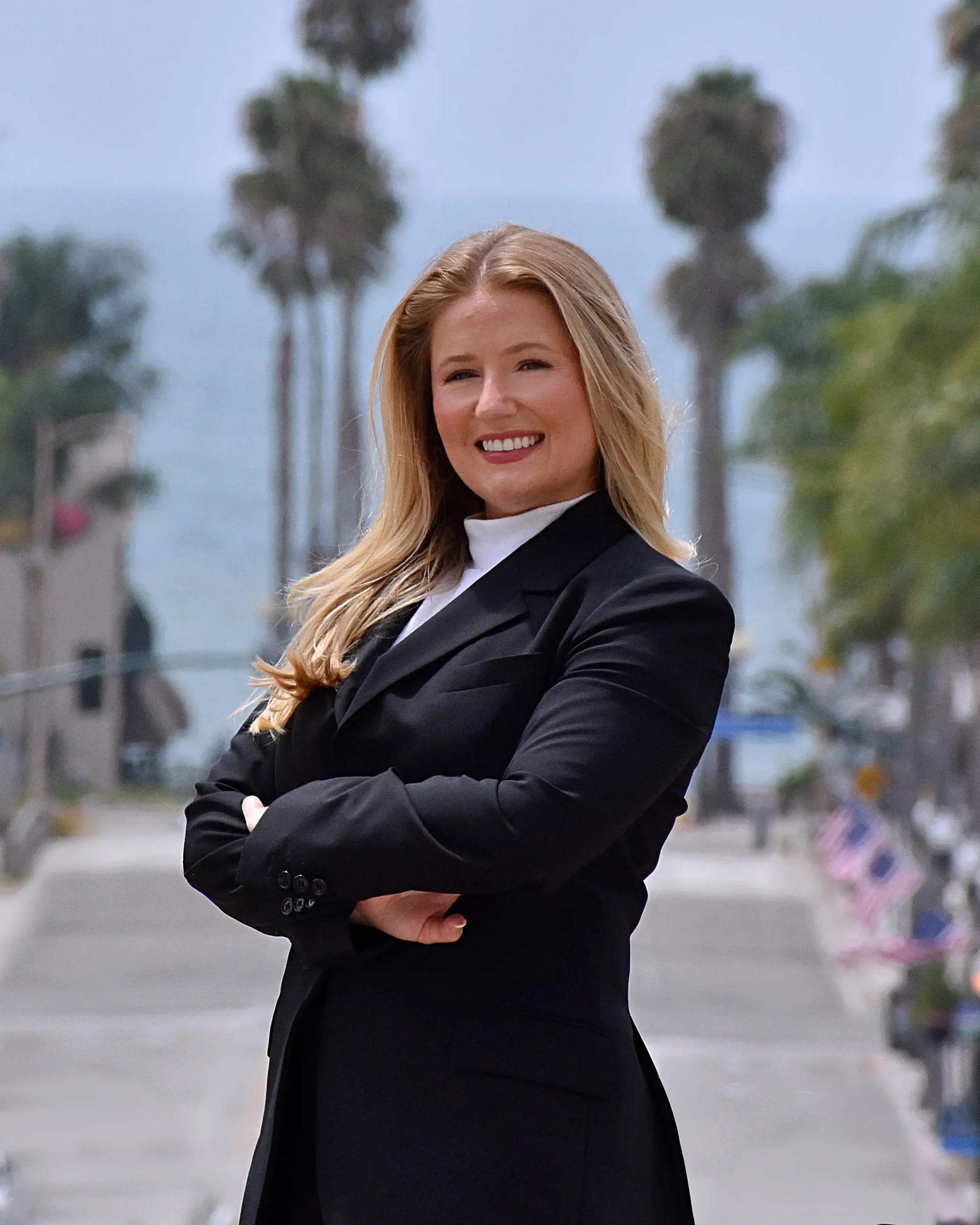
Siena M. Martinez, Esq.
Perspective
Administration informed by experience with trust and estate disputes.
Issues I look for early
- Unclear or incomplete trust language
- Property never transferred into the trust
- Assets whose ownership is in question
- Co-trustees who disagree
- Beneficiaries with different expectations
- Unusual or conditional distributions
- A home the beneficiaries see differently
- Questions about what the trustee's duties require
Which process applies?
Trust administration or probate?
Assets properly held in a living trust can generally be administered through the trust rather than formal probate. Property left outside the trust may need a different transfer process, and some estates involve both.
Siena M. Martinez, Esq.
Under the trust
Trust administration
- Property properly held in a living trust, administered after death under its terms
- The successor trustee acts under the document, generally without routine court supervision
- Carries its own duties to beneficiaries, notices and record-keeping
- Particular questions can still go to the court when they need a judicial answer
The court process
Probate administration
- Property that has no other way to pass and is administered through the probate estate
- A court appoints the personal representative and supervises the administration
- A will, if there is one, guides who receives the probate property.
- May run alongside a trust administration when assets were left outside the trust
Questions
Trust administration FAQs
Siena M. Martinez, Esq.
What does a successor trustee do after someone dies?
Do I need an attorney to administer a trust?
Does a living trust still need probate?
How long does trust administration take?
When can beneficiaries receive distributions?
Does a trustee have to provide an accounting?
What happens if beneficiaries disagree?
A clear place to begin
Get clear on your responsibilities as trustee
Start with what you have: the document, what you know about its property, and your questions. I can review the trust, explain what your role requires, and help set the administration in order.
Sherman Oaks office · Remote & in-person meetings throughout California · 805-552-6896