Home / Services / Estate Planning / Living Trusts

Estate Planning · Living Trusts

Living Trusts in California

A plan for how your home and other assets are managed now, and passed on later.

A revocable living trust is often the centerpiece of a California estate plan, especially for homeowners and families, though not for everyone. I’m Siena Martinez, and I help clients understand what a trust would and would not do for them before creating one.

Siena M. Martinez, Esq.

Founder & President, Siena Law, P.C.
Senior couple working together on a laptop at a home desk
Serving Greater Los Angeles and Ventura County from Sherman Oaks, with remote estate planning throughout California.

In plain language

What is a revocable living trust?

A living trust is a legal arrangement you create during your lifetime. You transfer assets into it, your home most often, and you generally keep control of them for as long as you are able. The trust document says who manages those assets if you cannot, and who receives them after your death.
Think of it as a framework for holding and managing property under written instructions, rather than a document about what happens after you die. Because you can change or cancel it while you are living, it is called revocable.
For most of my clients, a trust is one part of a broader estate plan.

Siena M. Martinez, Esq.

Founder & President, Siena Law, P.C.

The people in a trust

Settlor

The person who creates the trust and transfers assets into it, sometimes called the trustor. For a married couple, usually both spouses.

Trustee

The person who manages trust assets under the trust’s terms. In a typical revocable living trust, you serve as your own trustee at first.

Successor trustee

The person you name to step in if you can no longer manage the trust, and after your death.

Beneficiaries

The people or organizations who receive trust assets, in the way and at the time the trust directs.

Why it matters

Why people consider a living trust.

Three reasons come up in nearly every consultation.
01

Passing on assets without a court process

Assets properly transferred to a trust can generally be administered and distributed under the trust’s terms, rather than through a formal probate proceeding in California.
02

Continuity if you cannot manage things

A trust names who manages trust assets if illness or injury leaves you unable to manage them yourself, and sets out when that person steps in.
03

Clearer instructions for your family

The trust says who is in charge and how property is distributed. Many of my clients have been through a parent’s probate and want their own children to have clearer instructions.

Siena M. Martinez, Esq.

Founder & President, Siena Law, P.C.

Is this for me?

When does a living trust make sense?

These are the situations that most often lead to one.
Senior couple smiling as they meet with an advisor at their kitchen table

Siena M. Martinez, Esq.

Founder & President, Siena Law, P.C.
01

You own a home or other property in California

It is the most common reason to consider a living trust. How your home is titled decides who can manage it if you cannot, and how it passes when you die.
02

You have children or a family you are planning for

A trust can say how anything left to children is held, who manages it, and when it is distributed. Because minors cannot legally manage inherited property, a court may otherwise need to appoint a guardian of the child’s estate, adding oversight, accountings, and legal expenses. A properly structured trust keeps the inheritance under a trustee’s management, on the terms and at the ages you set.

03

You want to make things easier for the people you leave behind

If you have handled a parent’s estate through probate, you already know what clearer instructions would have meant.
04

You own more than one kind of asset

Investment accounts, an interest in a business or property in more than one place each raise their own questions about how they should be held.
Whether a trust is appropriate depends on your assets, your family, your goals and how your property is titled. Sometimes the answer is a simpler plan.

Trust funding

A trust only works with the assets it actually reaches.

Signing the trust document is one step. Connecting your assets to it is the other, and it is the one most often left unfinished.
01

Your home

Title to a home is transferred to the trust by a new deed, recorded with the county. Without that deed, the house is not in the trust, however clearly the trust document describes it.

02

Accounts and other assets

Depending on the asset, funding may mean retitling an account, updating a beneficiary designation or assigning the asset to the trust. Some assets are better left outside a trust, and part of my job is to tell you which.
03

What stays outside

An asset never connected to the trust does not get the treatment you expected simply because a trust document exists, and may still need a court procedure after your death.

After your signing appointment you leave with written funding instructions for each asset, and I remain available while you complete them.

Continuity

Who manages the trust if you cannot?

A revocable living trust is built to carry on through three stages.

While you are able

You serve as your own trustee, and managing trust property looks much like it did before: the same accounts, the same home, the same decisions.

If you become unable to manage the trust

The trust names a successor trustee and describes when that person takes over. How that works depends on how the trust is written, which is one reason it deserves careful drafting.

After your death

Your successor trustee gathers the trust assets, handles the trust’s obligations and distributes what remains as the trust directs, usually without a court supervising the process.
A living trust generally reaches only the assets held in it. If you are incapacitated during your lifetime, financial matters outside the trust are addressed by a financial power of attorney, and healthcare decisions by an advance health care directive. It is important to properly fund your assets to your trust during your lifetime but if you forget, Siena Law estate plans include multiple backup plans to help ensure your assets are distributed according to your wishes.
Multigenerational family laughing together with a toddler outdoors

Siena M. Martinez, Esq.

Founder & President, Siena Law, P.C.

A common question

Living trust or will?

This is usually not an either/or decision. My Single and Joint Trust packages include a living trust and a pour-over will, with each document doing a different job.

Instructions after death

A will

Management during life and beyond

A living trust

The pour-over will

Why a trust plan still includes a will.

Siena M. Martinez, Esq.

Founder & President, Siena Law, P.C.

A pour-over will directs assets still in your own name at death, which would otherwise pass through your probate estate, into the trust so they are distributed under its terms. It also records your wishes about who should care for minor children.

It is a safety net, not a substitute for funding the trust during your lifetime. Assets that reach the trust through the will may still have needed a probate proceeding to get there.

Setting expectations

What a revocable living trust does not do

A trust solves specific problems, but not every estate planning need.

Close-up of a senior adult writing on a document with a pen

It does not shield your assets from your own creditors

You keep control of a revocable trust and can take assets back out, so placing them in one does not, by itself, put them beyond the reach of your creditors.

It does not control every asset automatically

How each asset is owned, and whether it has been connected to the trust, decides whether the trust governs it.

It does not replace the other documents in a plan

A complete plan still includes a pour-over will, a financial power of attorney and an advance health care directive.

It does not promise that a court will never be involved

A well-drafted, properly funded trust makes a court process less likely. No document can rule out every question.

Siena M. Martinez, Esq.

Founder & President, Siena Law, P.C.

One coordinated plan

How a living trust fits into your estate plan.

A trust rarely stands alone. These are the documents I prepare with it, for individuals and married couples, so that each has a job and none contradicts another.

Siena M. Martinez, Esq.

Founder & President, Siena Law, P.C.
01

Revocable living trust

Holds the assets transferred to it, names your successor trustee and directs how they are distributed.

Works alongside

02

Pour-over will

Catches assets left outside the trust and records your wishes concerning minor children.
03

Financial power of attorney

Names who may handle financial matters outside the trust if you cannot.
04

Advance health care directive

Names who may make medical decisions for you, and records the instructions you want followed.
05

Supporting trust documents

A certification of trust and related documents that let banks and title companies work with the trust.

Prepared with your trust

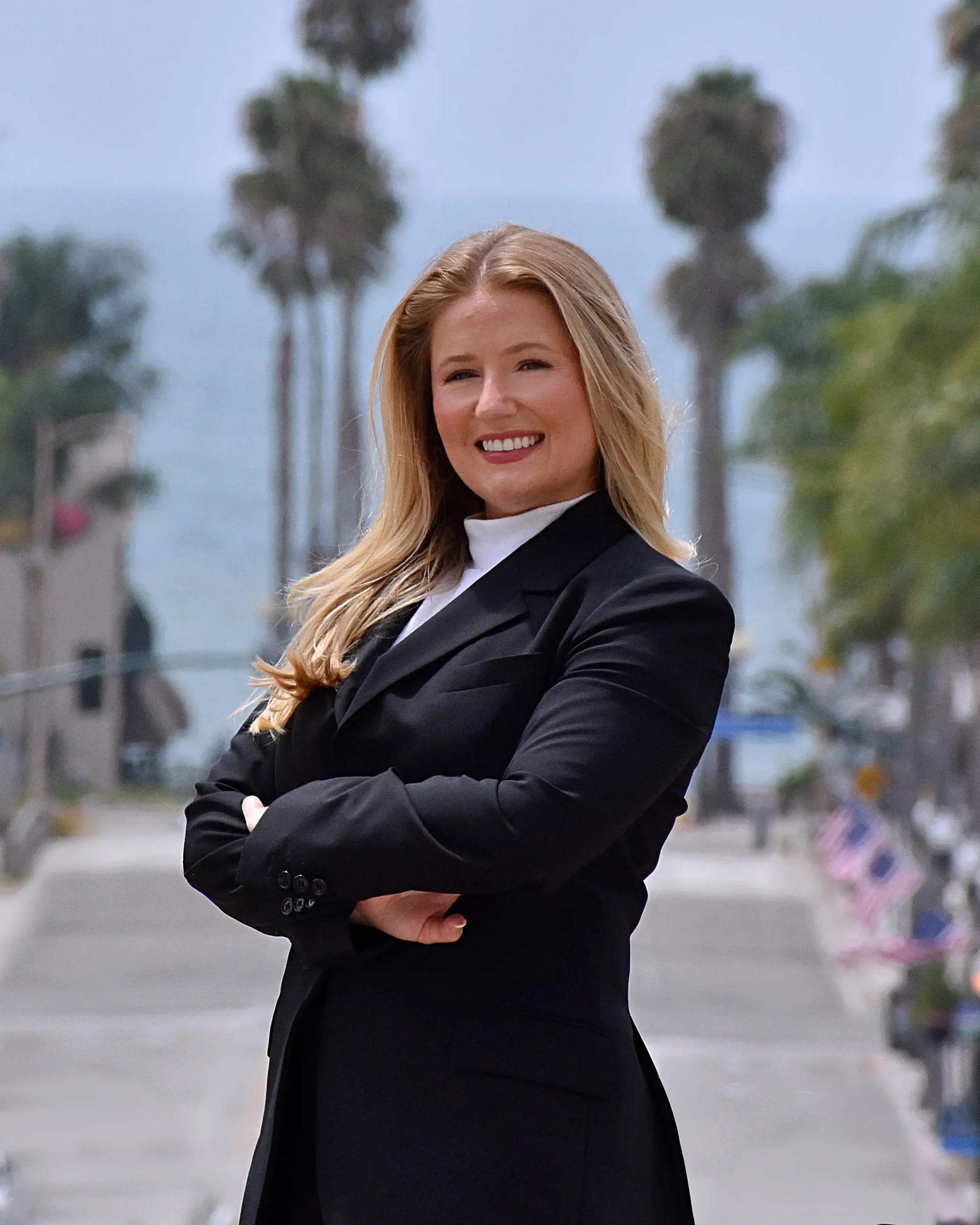
Siena M. Martinez, Esq., attorney at Siena Law, P.C., on a palm-lined street in Southern California

Siena M. Martinez, Esq.

Founder, Siena Law, P.C. · California State Bar No. 351791

Working with Siena

Trusts drafted by someone who has seen what happens when they fail.

Before founding Siena Law, I spent nearly three years in trust and estate litigation. Many of the disputes I worked on traced back to a planning problem: a trust that was never funded, documents that failed to adequately state the trustor’s intent, conflicting provisions that complicated a simple problem. That experience shapes how I draft now: plain language, documents that work with each other, and the practical questions that tend to surface years later, asked while there is still time to answer them.
My background also includes an LL.M. in Taxation, which informs my broader understanding of estate planning.
You work directly with me, from the first conversation through the signing appointment and the funding that follows.

What to expect

Creating your living trust with Siena Law

Siena M. Martinez, Esq.

Founder & President, Siena Law, P.C.
01

Start with your situation

Send an inquiry or call. After a conflict check, I send a link to schedule a complimentary 30‑minute intake conversation about your family, your property and your goals.
02

Build the plan

Once you decide to proceed, a detailed questionnaire gathers the details of your family, assets and goals, and I design the plan around them.
03

Review your documents

I draft the trust and the documents that accompany it, then walk through them with you and make changes until they say what you mean.
04

Sign, then fund

At the signing appointment you complete the documents and leave with a full set, along with written instructions for connecting each asset to the trust.

Questions

Living trust FAQs

Short answers to the questions I hear most. The consultation is where they get longer.

Siena M. Martinez, Esq.

Founder & President, Siena Law, P.C.
Not automatically, but owning a home is the most common reason to consider one. A home properly transferred to a living trust can generally pass to the people you choose outside probate. Whether that is right for you depends on how the home is titled, what else you own and what you want to accomplish.
A will takes effect at death and does not hold assets, and property passing under it generally goes through probate in California. A living trust operates during your lifetime, holds the assets transferred to it, and lets a successor trustee manage and distribute them without a court running the process. Many California plans use both.
For the assets it holds, generally yes. Assets properly transferred to a living trust can usually be administered under the trust’s terms rather than through a formal probate proceeding. Assets left outside the trust may still need a court process, which is why funding matters as much as the document.
Funding means connecting your assets to the trust: recording a new deed for your home, retitling accounts or updating beneficiary designations, depending on the asset. After signing, you receive written instructions for each asset.
Generally no. You keep control of a revocable trust and can take assets back out, so placing them in one does not, by itself, put them beyond the reach of your own creditors. If that is a concern, raise it in the consultation.
For the assets it holds, yes. The trust names a successor trustee and describes when that person may step in, which can spare your family from asking a court for authority over trust property. Assets outside the trust, and healthcare decisions, are handled by a financial power of attorney and an advance health care directive.

A clear place to begin

Create a plan for what matters next

The consultation starts with your family and what you own, and the plan follows from there.

Sherman Oaks office · Remote meetings throughout California · 805-552-6896