Home / Services / Estate Planning / Powers of Attorney

Estate Planning · Sherman Oaks, CA

Powers of Attorney in California

Decide now who may manage your finances if you ever cannot.

A financial power of attorney lets you name someone you trust to handle financial and legal matters on your behalf, within limits you set. It speaks during your lifetime, and it is separate from the document that covers healthcare decisions. I’m Siena Martinez, and I prepare it as part of a complete California estate plan.

Siena M. Martinez, Esq.

Founder & President, Siena Law, P.C.
Three generations of a family relaxing together on a couch
Serving Sherman Oaks, the San Fernando Valley, Greater Los Angeles and Ventura County, with remote estate planning throughout California.

The basics

What is a financial power of attorney?

A written document in which you authorize another person to act for you in the matters it describes. Under California law it can cover some or all of your financial affairs, as broadly or as narrowly as you choose.
The point is not to have one more legal document. It is to decide in advance who should be able to step in if you cannot manage important financial matters yourself.

Siena M. Martinez, Esq.

Founder & President, Siena Law, P.C.

01The principal

You. The document is yours: you decide what goes in it, and you can change or revoke it while you have the capacity to do so.

02The agent

The person you name to act for you, also called an attorney-in-fact. Your agent owes you a duty to act in your interests and within the authority you have given.

03The document

Sets out what your agent may do, when the authority begins, and whether it continues if you later become unable to manage your own affairs.

Why it matters

Authority you set up before you need it.

Senior couple smiling at each other while signing documents at a table
Incapacity planning is not only about a serious illness. A hospital stay, a long recovery or time away can leave you unable to deal with things that will not wait.
Without a document in place, your family may need to ask a court for authority before anyone can act for you. A power of attorney lets you make that choice yourself, and keeps your affairs moving while you cannot.

Siena M. Martinez, Esq.

Founder & President, Siena Law, P.C.

Is this for me?

Who should have a financial power of attorney?

Not everyone needs the same document, but the question comes up in recognizable situations.
01

Homeowners

Someone may need to deal with the property itself: insurance, repairs, a lender, or a sale that cannot wait.
02

Married couples

Marriage does not automatically give one spouse authority over every account, contract or property held in the other’s name.
03

Parents and families

Financial responsibilities do not pause because a parent is unavailable or unwell. Someone needs to keep things running.
04

Business owners and professionals

A practice or business has obligations that continue even when the owner cannot personally act on them for a time.
05

Anyone planning ahead

You do not need to be older or unwell to address this. The best time to choose the person is while the choice is entirely yours.

Siena M. Martinez, Esq.

Founder & President, Siena Law, P.C.

The scope

What could your agent help handle?

Authority under a power of attorney is granted, not assumed. These are the areas it commonly covers, to the extent the document includes them.

01 Banking & bills

Accounts and expenses

Managing accounts, paying ongoing expenses and handling the financial transactions the document allows.

02 Property

Your home and other property

Maintaining and insuring the property, and, where the document authorizes it, leasing or selling it.

03 Taxes & records

Tax filings and financial records

Preparing and filing returns, dealing with tax agencies and keeping the financial records in order.

04 Insurance & benefits

Claims and benefits

Handling insurance claims, benefits and similar financial matters when the document includes them.

05 Business & personal

What cannot wait

Taking the permitted actions in your business or personal affairs that cannot reasonably wait until you are able to act again.
Your agent does not automatically receive control over everything. The document determines the authority granted, subject to California law, and I draft it to match what you actually want delegated.
Four adults laughing together outside a home

Siena M. Martinez, Esq.

Founder & President, Siena Law, P.C.

The decision

Choosing someone you trust to act for you

For most people this is the hardest part of the document, and the part that matters most. The real question is who you would want handling your affairs when you could not watch over them.

Trust and judgment

Someone who will act in your interests, keep your money separate from their own, and make sensible decisions under pressure.

Organization and follow-through

The role involves paperwork, deadlines and keeping records. Reliability matters more than financial sophistication.

Willingness and availability

Ask before you name someone. The right person on paper may not be able to take this on when the time comes.

An alternate

Naming a successor agent means the document still works if your first choice is unable or unwilling to serve.

Timing

When can a power of attorney be used?

Two questions decide this: whether the authority survives your incapacity, and when your agent may begin to act. Both are choices made in the drafting.
01

A durable power of attorney

In California, a power of attorney is durable when it states that the agent’s authority continues despite your later incapacity. Since incapacity is the main reason most people want the document, that language is usually the point.
02

When authority begins

The document can take effect as soon as you sign it, or only on a later event, most often a written determination that you can no longer manage your own affairs. Each approach has practical trade-offs.

Siena M. Martinez, Esq.

Founder & President, Siena Law, P.C.

A common misunderstanding

What a financial power of attorney does, and does not, cover.

The name leads people to expect more than the document delivers. It is a financial document, and its authority ends at your death.

Within the document's terms

It may address

Siena M. Martinez, Esq.

Founder & President, Siena Law, P.C.

Handled elsewhere in the plan

It does not replace

Above all, do not assume a financial power of attorney gives your agent authority over your medical care. California treats those as separate documents, and I prepare a health care directive as part of a complete plan.

Trusts and powers of attorney

If you have a living trust, do you still need a power of attorney?

Siena M. Martinez, Esq.

Founder & President, Siena Law, P.C.

Usually, yes. The two documents give different people authority over different property. Your successor trustee manages the assets that have been transferred to the trust, and only those. A financial agent can deal with what sits outside it: retirement accounts, tax filings, insurance, benefits, and anything that was never transferred.

Whether your agent may deal with your trust at all depends on the authority the document gives. A living trust is not a substitute for incapacity planning outside it, and the two work best when drafted together.

One coordinated plan

One part of a larger incapacity and estate plan.

Each document has a different job. Together they cover decisions during your lifetime and instructions for afterward.
01

Living trust

Holds and manages the assets transferred to it, and names a successor trustee to step in.
02

Will

Gives instructions after your death and works alongside the rest of the plan.
03

Financial power of attorney

Authorizes your agent to handle financial and legal matters during your lifetime.
04

Advance health care directive

Names who may make medical decisions for you and records your wishes about care.

Already have one?

An existing power of attorney may still be worth reviewing

A power of attorney only works if it still reflects your life. These are the reasons clients most often bring an older document to me.

Siena M. Martinez, Esq.
Founder & President, Siena Law, P.C.
The document was signed many years ago
The agent you named is no longer the right person, or can no longer serve
A marriage, the end of one, or another change in your family
A significant change in what you own or how it is held
The rest of your estate plan is being updated
The document no longer says what you would want it to say
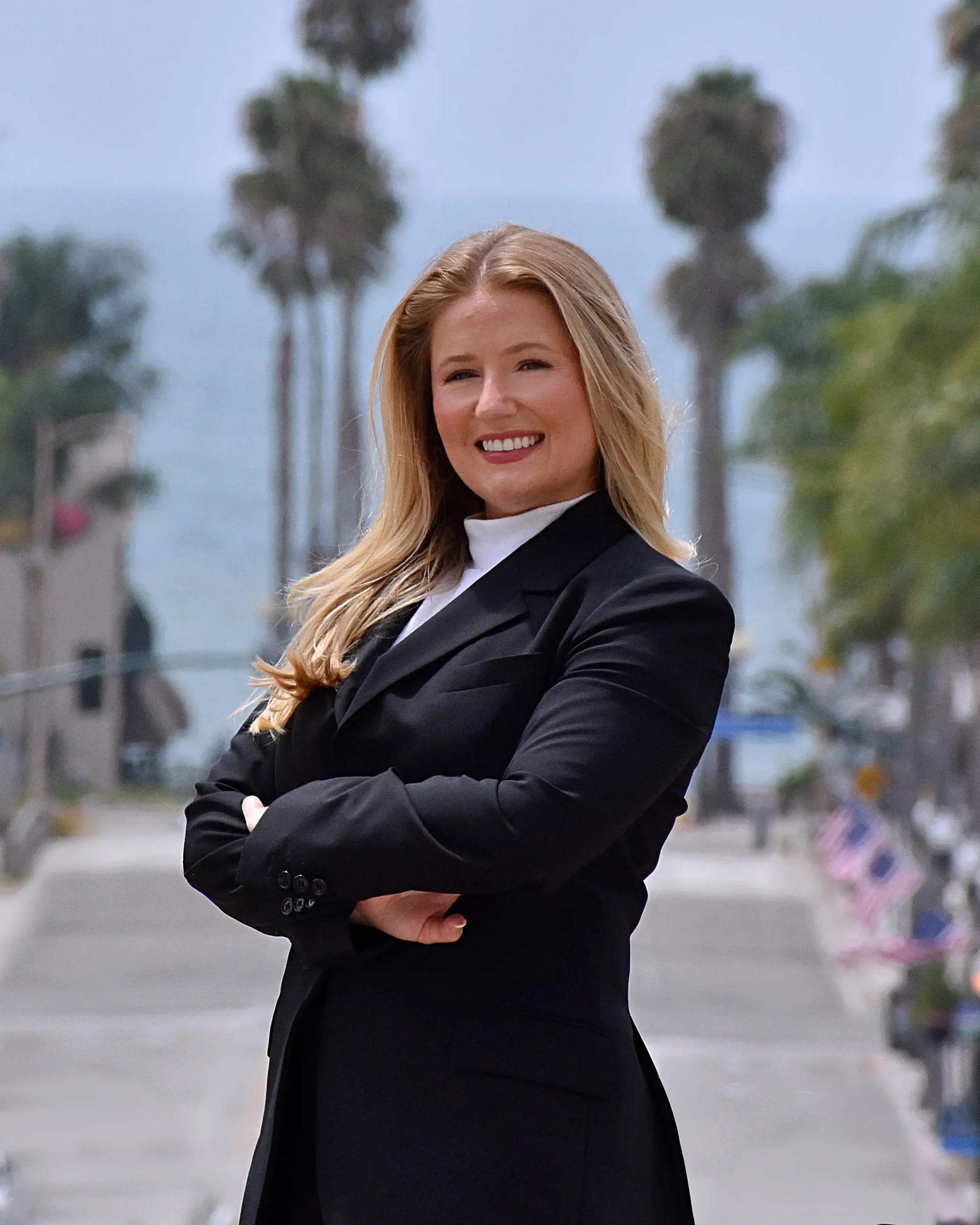
Siena M. Martinez, Esq., attorney at Siena Law, P.C., on a palm-lined street in Southern California

Siena M. Martinez, Esq.

Founder, Siena Law, P.C. · California State Bar No. 351791

Working with Siena

Planning with the problems that can arise later in mind.

Before founding Siena Law, I spent nearly three years in trust and estate litigation, reading documents that had not held up when someone needed to rely on them: authority that was unclear, an agent no one had spoken to, a plan untouched for twenty years.
That perspective informs how I approach a power of attorney today: with attention to clarity, to the practical decisions about who should act and when, and to how the document is meant to function when your family actually needs it. No document can guarantee it will never be questioned. A clear one gives far less to question.
You work with me directly, from the first conversation to the final signature.

What to expect

Creating or updating your power of attorney

Siena M. Martinez, Esq.

Founder & President, Siena Law, P.C.
01

Understand your situation

A conversation about your family, your finances, any existing documents and your concerns about a time when you could not act.
02

Choose your agent and their authority

You choose whom to appoint and whether to name an alternate. I help you decide when the authority should begin and how far it should reach.
03

Prepare the documents

I draft the power of attorney, together with the other documents your plan calls for, and walk through them with you before anything is signed.
04

Keep the plan current

Review the document as relationships and circumstances change, so the right person still holds the authority.

Questions

Power of attorney FAQs

Short answers to the questions I hear most. The consultation is where they get longer.

Siena M. Martinez, Esq.

Founder & President, Siena Law, P.C.
A power of attorney is durable when the document states that your agent’s authority continues even if you later become incapacitated. Without that language, the authority may end at the moment it is most needed. Most financial powers of attorney prepared as part of an estate plan are durable.
That depends on how it is drafted. It can take effect when you sign it, or only on a later event, most often a written determination that you can no longer manage your own affairs. The right choice depends on your circumstances and the person you have chosen. More about timing.
Only what the document authorizes. That can range from a single transaction to broad authority over banking, property, taxes and other financial matters. Your agent must act in your interests and within those limits, and does not receive authority over your medical care.
No. A financial power of attorney covers financial and legal matters. An advance health care directive names who may make medical decisions for you and records your wishes about care. California treats them as separate documents, and a complete plan includes both. What the document does and does not cover.
Usually, yes. Your successor trustee manages only the assets that have been transferred to the trust. A financial agent can deal with what sits outside it, including retirement accounts, tax filings, insurance and benefits. More about living trusts.
Yes. While you have the capacity to do so, you can revoke a power of attorney or sign a new one naming someone else. Tell the institutions and people who hold copies, so that the old document is not relied on.

A clear place to begin

Plan for who can step in when you cannot

Choosing the right person, and giving them the right authority, is one of the most practical decisions in a California estate plan. The consultation is where that decision gets made.

Sherman Oaks office · Remote meetings throughout California · 805-552-6896