Wills · Sherman Oaks, CA

Wills Attorney in Sherman Oaks, California

A will gives you important choices. It is not designed to do everything.

A will says who receives the property that passes under it, who carries out your instructions, and who you would want to raise your children. I’m Siena Martinez, and I help individuals and families decide what their will should do and how it fits with the rest of their estate plan.

Siena M. Martinez, Esq.

Founder & President, Siena Law, P.C.
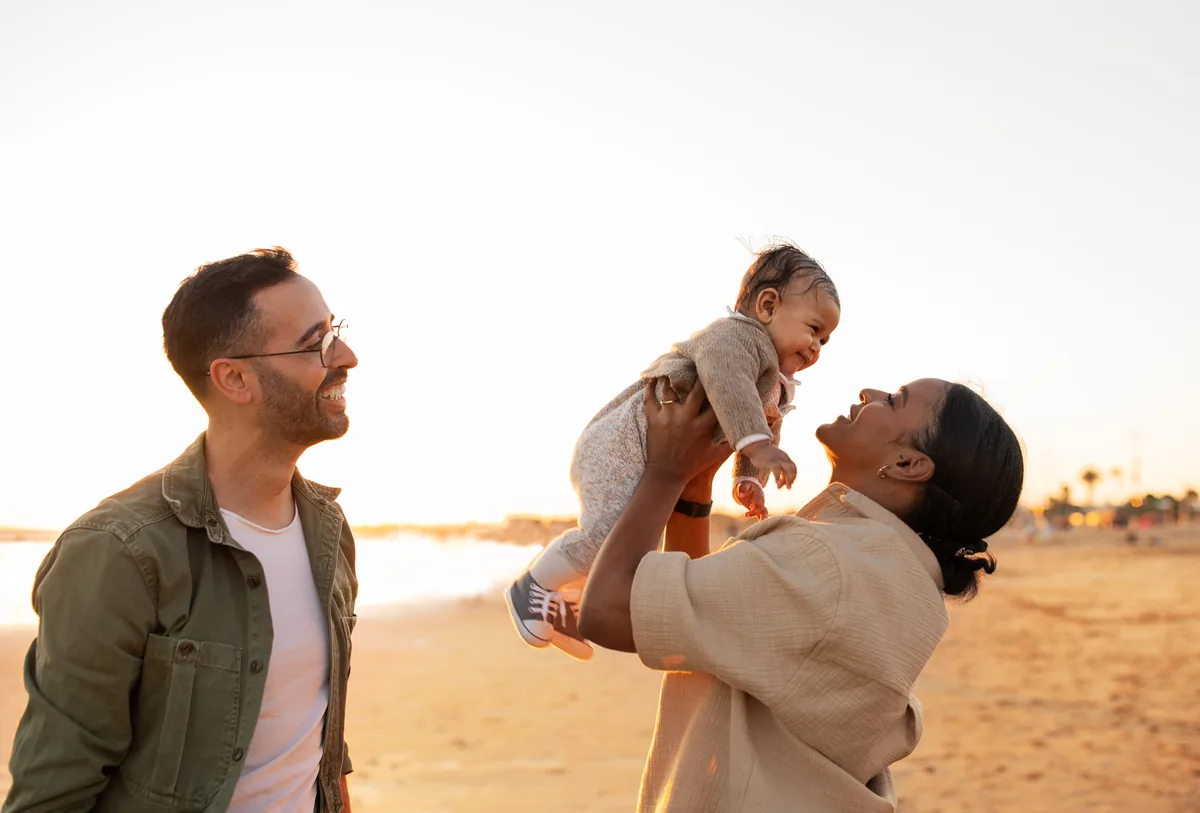
Two parents lifting their baby into the air on the beach at sunset
Serving Greater Los Angeles and Ventura County from Sherman Oaks, with remote estate planning throughout California.

What a will does

What does a will actually do?

In plain terms, a will is a set of written instructions that takes effect after your death. It has four jobs.

Siena M. Martinez, Esq.

Founder & President, Siena Law, P.C.
01

Says who receives your property

Names the people who should receive property that passes under the will, and in what shares.
02

Nominates an executor

Names the person responsible for carrying out your instructions: gathering what you owned, paying what is owed, and distributing the rest.

03

Nominates a guardian for minor children

Lets parents record who they would want to raise their children if a guardian ever needs to be appointed. The court makes that appointment, with your nomination in front of it.
04

Works alongside a living trust

Paired with a revocable living trust, a will can direct property left outside the trust into it after your death. This is usually called a pour-over will.

What a will does not do

A will is important. It does not control everything.

Most of the confusion I see about wills comes from expecting one to do more than it can. Knowing the limits is the first step toward a plan that works.
01

It does not, by itself, avoid probate

Property passing under a will generally goes through probate in California. A will directs probate. It does not replace it.
02

It generally does not control accounts with a beneficiary designation

Retirement accounts, life insurance and pay-on-death accounts usually pass to the beneficiary on file, whatever the will says.
03

It generally does not override joint ownership

Property held in joint tenancy, or with another nonprobate transfer in place, usually passes by that arrangement rather than under the will.
04

It does not plan for incapacity

A will speaks only after death. It gives no one authority to manage your finances or make healthcare decisions while you are living.
05

A guardian nomination is a nomination

It tells the court who you would choose. The court makes the appointment, with the child’s interests in view.

Even so

Why a will still matters

None of this makes a will less worth having. It is where you nominate an executor, record your wishes for your children and make deliberate choices about the property it governs. The point is to know which decisions your will is making, and which belong to other documents.

Is this for me?

Who should have a will?

Most adults benefit from having one, but the reasons differ. These are the situations that most often bring people to me about a will, and where each usually leads.
Multigenerational family playing with two young children on a couch

Siena M. Martinez, Esq.

Founder & President, Siena Law, P.C.
01

Parents with minor children

The guardian nomination is the main reason many parents make a will at all, and it deserves careful thought.
02

Anyone creating a first estate plan

If nothing is written down, a will is a natural place to begin. Whether it is enough on its own depends on what you own.
03

Homeowners and families considering a living trust

A trust-based plan still includes a will. Knowing what each does makes the decision clearer.
04

People whose circumstances have changed

A marriage or the end of one, a new child, a death, a move or a significant change in what you own can all affect an existing will.
05

People with an older estate plan

Documents signed years ago may no longer match your family, your property or current California law.
Grandfather kneeling on the lawn as two grandchildren run toward him

Siena M. Martinez, Esq.

Founder & President, Siena Law, P.C.

Your children

Wills and planning for minor children.

If you have minor children, this is probably the part of your will you care about most, and the part most often misunderstood.

Nominating a guardian

Your will can name the person you would want to raise your children if a guardian ever needs to be appointed, and an alternate. The court makes the appointment.

Managing what they inherit

Leaving property to a minor child outright is rarely the right answer. A will can nominate who you want to manage what a child inherits, but it does not prevent a court proceeding if a minor inherits property outright. Because minors cannot legally manage inherited property, a guardianship of the estate may be required, involving court oversight, periodic accountings, legal expenses, and added costs that reduce the funds intended for the child. The assets may then become available to the child outright at adulthood.

This is one reason parents often use a trust. The inheritance can remain in trust, a trustee can manage it, and you can set the terms for distribution at selected ages or according to other instructions that fit your family.

Two different roles

The person who raises your children and the person who manages money for them do not have to be the same, and sometimes should not be.

After your death

Who carries out your will, and what happens without one?

Siena M. Martinez, Esq.

Founder & President, Siena Law, P.C.
A will only speaks after you die. These two questions come up in nearly every conversation about one.
01

Who handles your estate?

Your executor

Your executor gathers what you owned, pays what is owed, and distributes the rest as your will directs. Where probate is required, the executor takes the will to court and administers the estate under its supervision. Choose someone organized, trustworthy and willing, and name at least one alternate.
02

What if you die without a will?

Intestate succession

Dying without a valid will is called dying intestate. California law then decides who receives property that passes through probate, following a fixed order of relatives that may or may not match what you would have chosen. No one can nominate an executor or a guardian on your behalf. A will replaces those defaults with your own decisions.

A common question

Do you need a will or a living trust?

This is the question most people arrive with, and it is rarely either/or. Many trust-based estate plans still include a will. The table shows what each does. The conversation is about which combination fits you.

Side by side

Topic

A will

A living trust

Takes effect

Will

After your death

Trust

During your lifetime, and after your death

Names beneficiaries

Will

Yes, for property that passes under the will

Trust

Yes, for property held in the trust

Who carries it out

Will

An executor

Trust

A trustee, then a successor trustee

Guardian nomination

Will

Yes

Trust

Usually made in the will

Probate

Will

Does not itself avoid probate

Trust

Assets properly transferred to the trust can generally pass outside probate

Incapacity

Will

No provision

Trust

Can provide for management of trust assets if you cannot act
An orientation, not a complete comparison. What each would do for you depends on what you own and how it is titled.

Pour-over wills

Why someone with a living trust may still have a will.

Siena M. Martinez, Esq.

Founder & President, Siena Law, P.C.

It does not mean property left outside the trust bypasses probate. Assets never transferred may still need to go through probate before they pour over, which is why funding the trust during your lifetime matters.

A pour-over will is the will usually paired with a revocable living trust. It directs any property left outside the trust into it after your death, so everything ends up under one set of instructions. It is also where the guardian nomination for minor children lives, since a trust does not make one.

One part of the plan

How a will fits into your estate plan

A will on its own is not a complete estate plan. These are the documents that usually sit alongside it, each with a job the will cannot do.
Contract signing icon

01 Property & continuity

Living Trust

Holds and manages trust assets during your lifetime and says how they pass afterward, without a court running the process.
Client meeting icon

02 Financial decisions

Durable Power of Attorney

Names who may handle financial and legal matters on your behalf if you cannot.
Briefcase icon

03 Healthcare decisions

Advance Health Care Directive

Names who may make medical decisions if you cannot make or communicate them yourself, and records the instructions you want followed.
Law firm building icon

04 Bringing it together

Complete Estate Planning

How the documents are chosen and drafted to work together, and where a will fits.

Already have a will?

When an existing will may need another look

Smiling senior couple reviewing paperwork beside a laptop in their kitchen

Siena M. Martinez, Esq.

Founder & President, Siena Law, P.C.
A will is written for the life you had when you signed it. These changes most often mean it should be reviewed.
Or simply a will that no longer says what you want. There is no fixed schedule, and a review is a short conversation.

What to expect

How a will comes together

The will is drafted to fit the whole plan, not the other way around.

01

Discuss your goals and existing plan

A conversation about your family, what you own, any documents you already have, and what concerns you.
02

Decide how the will fits

Whether a will alone is the right foundation or part of a trust-based plan, and which incapacity documents belong alongside it.
03

Prepare and complete the documents

I draft the documents, walk through them with you, and make changes until they say what you mean. Then you sign.

Siena M. Martinez, Esq.

Founder & President, Siena Law, P.C.
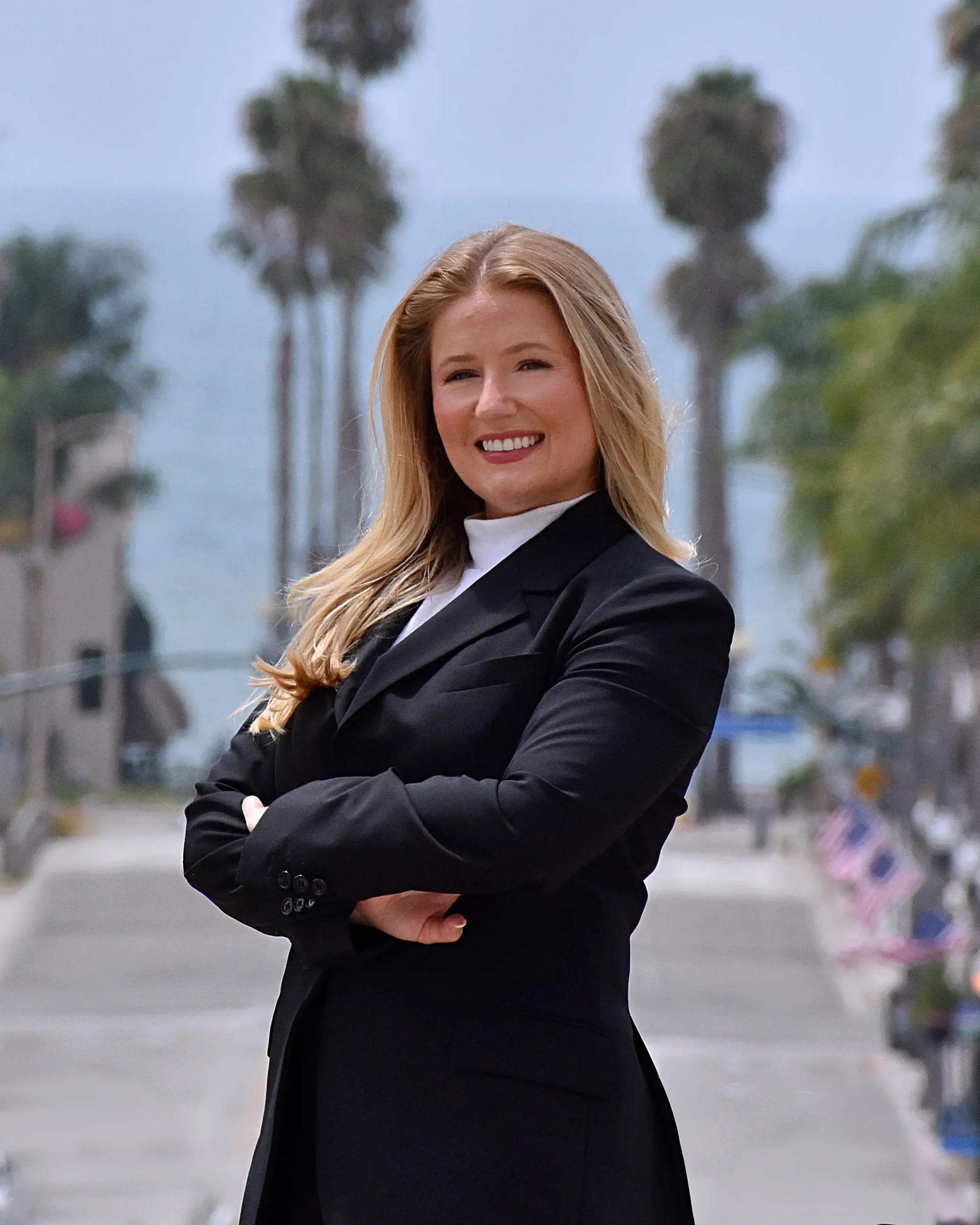
Siena M. Martinez, Esq., attorney at Siena Law, P.C., on a palm-lined street in Southern California

Siena M. Martinez, Esq.

Founder, Siena Law, P.C. · California State Bar No. 351791

Working with Siena

Estate planning informed by what happens afterward.

Before founding Siena Law, I spent nearly three years in trust and estate litigation, reading wills and trusts after the person who signed them was gone: a will that contradicted a beneficiary designation, a nomination no one could find, a trust that had never been funded.
That experience shapes how I plan now. I write in plain language, think about how a will works with the other documents, and ask the practical questions that tend to surface years later. No will can guarantee that a family will never disagree, but a clear one gives them far less to disagree about.
You work with me directly, from the first conversation to the final signature.

Questions

Questions about wills in California

Short answers to the questions I hear most. The consultation is where they get longer.

Siena M. Martinez, Esq.

Founder & President, Siena Law, P.C.
No. Property passing under a will generally goes through probate in California. A will says how that property is distributed and who administers it. Assets properly transferred to a living trust can generally pass outside probate.
Usually, yes. Most trust-based plans include a pour-over will, which directs property left outside the trust into it after death and carries the guardian nomination for minor children. The trust does the main work; the will stands behind it.
Yes. A will is the usual place for a parent to nominate a guardian for minor children, along with an alternate. The court makes the appointment, and your nomination is considered in that decision.
You are said to have died intestate. California law then decides who receives property that passes through probate, following a fixed order of relatives, and the court appoints an administrator rather than an executor you chose. Assets with beneficiary designations or held in a trust pass by those arrangements instead.
Generally not. Those assets usually pass by beneficiary designation or by the form of ownership, whatever the will says. Keeping designations consistent with your will is part of a coordinated plan.
After any meaningful change in your family, your property or where you live: a marriage or the end of one, a birth, a death, a move, a new home or a new trust.
California recognizes a handwritten will when the signature and material provisions are in your own handwriting, and publishes a statutory will form. Where self-prepared wills tend to fall short is coordination: with beneficiary designations, with a trust, and with the questions an executor will face later. I am glad to review whether one does what you intend.

A clear place to begin

Planning your will, or reviewing an existing estate plan?

Whether you are creating a first plan, working out whether a trust belongs in it, or looking again at a will signed years ago, the consultation begins the same way: a conversation about your family, your property and what you want.

Sherman Oaks office · Remote meetings throughout California · 805-552-6896